Last Friday I left work at the usual time, climbed into my car, and then waited through heavy Pittsburgh traffic for the next half hour. A half hour commute sounds pretty decent, right? But not when my apartment is only 2 miles from the office. On a good day, it takes me five minutes to get to work. Friday traffic is particularly awful, and couple that with beautiful spring weather and a desire to get home, open the windows, and let in some fresh air, and sitting in a car moving 4 miles an hour is that much worse.
So, I thought about it. I run about a 10 minute mile. That would mean I could run home in about 20 minutes. Not bad! And what about biking? It would surely take me less than 20 minutes. Either way, a car seemed like the least practical option for my Friday commute.
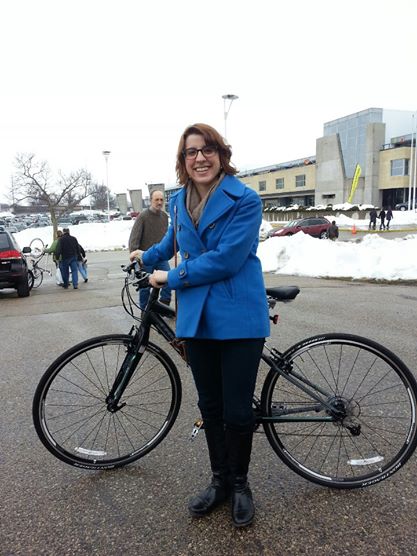
Since it also happens to be the month of Earth Day, and to be totally honest with you, I don’t really ever do enough for the the holiday, I’m going to commit to biking or running to and from work every Friday in April. In total, I will save nearly one week’s worth of gas, gain more than an hour of my time, and spare the Ozone a tiny bit of unneeded exhaust.
Imagine this: You’ve spent the last couple months studying for a tough exam. You enter the classroom, fully prepared, pencil in hand, water bottle at the corner of your desk, a fresh piece of college ruled paper in front of you. The professor gives the okay, and you’re off! You set your pencil to the page, when suddenly, CRACK, the lead breaks. Now imagine you don’t have access to a pencil sharpener, and this the only writing utensil you are allowed to use. Imagine also that you are a type-A student, who believes that the outcome of this exam is everything. It’s life or death.
If you can imagine that, you can understand a bit how an athlete feels when she’s injured weeks before her big race. Of course, injury is party of the game, part of the journey, and something many if not all amateur and professional athletes face in one way or another.
A couple months ago, I had to stop running due to a leg injury. I was smack in the middle of marathon training. And although this won’t be my first full marathon, the race is undoubtably important to me. My confidence was shattered. But then, I did what I do best, I made a plan. I’m no running expert, but I know the frustration of injury and the joy and pride of tackling your goals not just in spite of the pain but maybe also because of it. So below is my plan to keeping your motivation and confidence up through a tough training patch. I hope it inspires at least one athlete to keep her head up
First of all, choose to view this “break” actively instead of passively. In other words, don’t think of your recovery time as a waste of time. Use it. Make the absolute most of it.
-Stay active. I understand that the thought of using an elliptical probably falls somewhere on the spectrum of watching grass grow and being stuck in the middle seat while flying coach. But staying active despite your injury is important. If you’re like me, as soon as you take exercise out of my routine, I become sluggish, start to eat poorly, and become less productive (due to a positive correlation between time on my couch and hours watching Netflix). Instead of thinking that your workouts are a poor second option to running, try to do something you’ve always been meaning to but maybe didn’t have a chance to before. For instance, I started going to yoga with friends. I’d been telling myself I wanted to do more yoga, and now I finally had the chance! It’s harder to feel depressed about not doing something, when you’re doing something else you love.
-Read for inspiration. My suggestions: Born to Run, Eat & Run, Thrive, and Triathlete Magazine.
-Do more of what you love, and less of what you don’t. And I don’t mean just in terms of exercise. Remove stress where you can. I, for example, sometimes get a bit obsessive over cleaning my apartment. I suppose it’s because the end result is so satisfying and the process so straight-forward. Unlike, say, just about everything else in life. But I absolutely do not need to deep clean my apartment every day. Instead of spending that time doing something that, despite it’s clear result, feels like an obligation and an added stress, I try to do something I enjoy that isn’t necessarily required of me. Like sewing. Or even spending a few extra minutes petting my cat. When I do this, it always surprises me how much control I actually have over my stress.
-Find your balance. Physically and mentally, I mean. Were there things in your life that you were missing out on during your training? Did you skip meditation in the morning so you could get a run in before work? Did you pass up invitations to go out to the bar with friends because you wanted to be fresh for the next morning’s twelve miler? Was (and is?) your mind so cluttered with anxiety about training and the race that you forget friend’s birthdays or catch yourself worrying during Monday business meetings? Relax, and take this time to catch up, and maybe even start to schedule a new routine around the stuff you’ve been neglecting.
-Focus on nutrition. Now is finally your chance to start paying better attention to what you’re eating! If you’re aren’t burning 1500+ calories on long runs every weekend, you don’t have the same excuse to stuff your face with any and every carb that you can get your hands on. Focus on quality foods. Explore new ways to gain energy or focus. When I was recovering, I used the opportunity to switch to a plant-based diet. When I was in the heat of my training, I was concerned that a plant-based diet would not provide the energy and protein I needed. But having time to experiment with recipes and new foods during my recovery ensured that I had a solid nutrition plan settled for when I was able to pick up the training again.
-Remember your dreams and goals. Remember what you’re recovering for. Remember why you’re putting in the effort and time to get better and do better. And remember that injury and recovery is part of the game, just as much as crossing that finishline is.
Any other advise you would give a struggling or injured athlete? Or even a person who just needs some motivation to get started?
Cheers!
Sarah
p.s. This post is dedicated you, Michelle. I KNOW YOU CAN DO IT!
I’m ready to take on my second full (that’s 26.2 miles!) marathon…or at least I will be ready by May 4th. This time I’m sticking local (for my first marathon, I made the haul up to to Duluth, Minnesota) and running in the Pittsburgh Marathon. Probably the most exciting thing is that my little sister will be joining me as well as some awesome coworkers. Only one thing is better than running alone. And that’s running with friends. Here we go!
“Every single one of us possesses the strength to attempt something [s]he isn’t sure [s]he can accomplish.” -Scott Jurek in Eat & Run
About a month ago, I competed in my first triathlon. Generally, I’m pretty relentless when it comes to researching something I’m about to seriously commit time and energy (and sweat and tears) to. When I trained for my first marathon, I read books, talked to experienced athletes, made friends with my local running shop, and otherwise drowned myself in any and all marathon knowledge. My foray into triathlon was different in only one respect: I researched even harder.
My mom is a pretty amazing athlete herself. She competed in her first half marathon this summer (having had very little prior running experience besides her training and coming away injury free- something I can’t boast at 23). Now, she says (and I plan on holding her to it!) she’s up for racing in the Finger Lakes Triathlon with me next year. So this list is for you, Mom! And anyone else who’s bold enough to tri.
First things first:
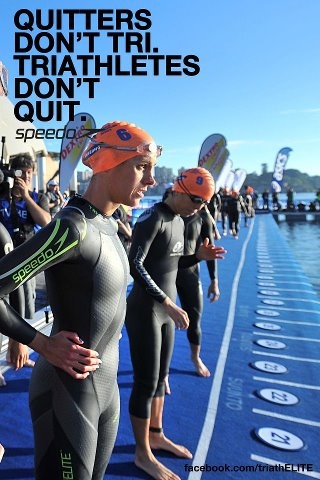
Triathlons aren’t as intense as they seem. Not that you have to tell your friends and admirers that. I don’t mean to say that the race won’t push you to your limits (and beyond, if you let it), but that the triathlon community is actually very encouraging and supportive. There is nothing more relieving than sharing your pre-race jitters with a fellow athlete. And most are willing to relate. I got quick bike maintenance advice from a veteran Ironman and embarrassing wet suit tips (yep, I was the girl who tried putting her wet suit on inside out) from a group of young women triathletes. Nobody is there to judge you, and if you make it to the start line, you can be sure that you’ve garnered a whole hell of a lot of respect from everyone of those wet suit-glad athletes around you.
Great Reads:
From inspirational to super practical, these books were some of my best reads to jump start my training.
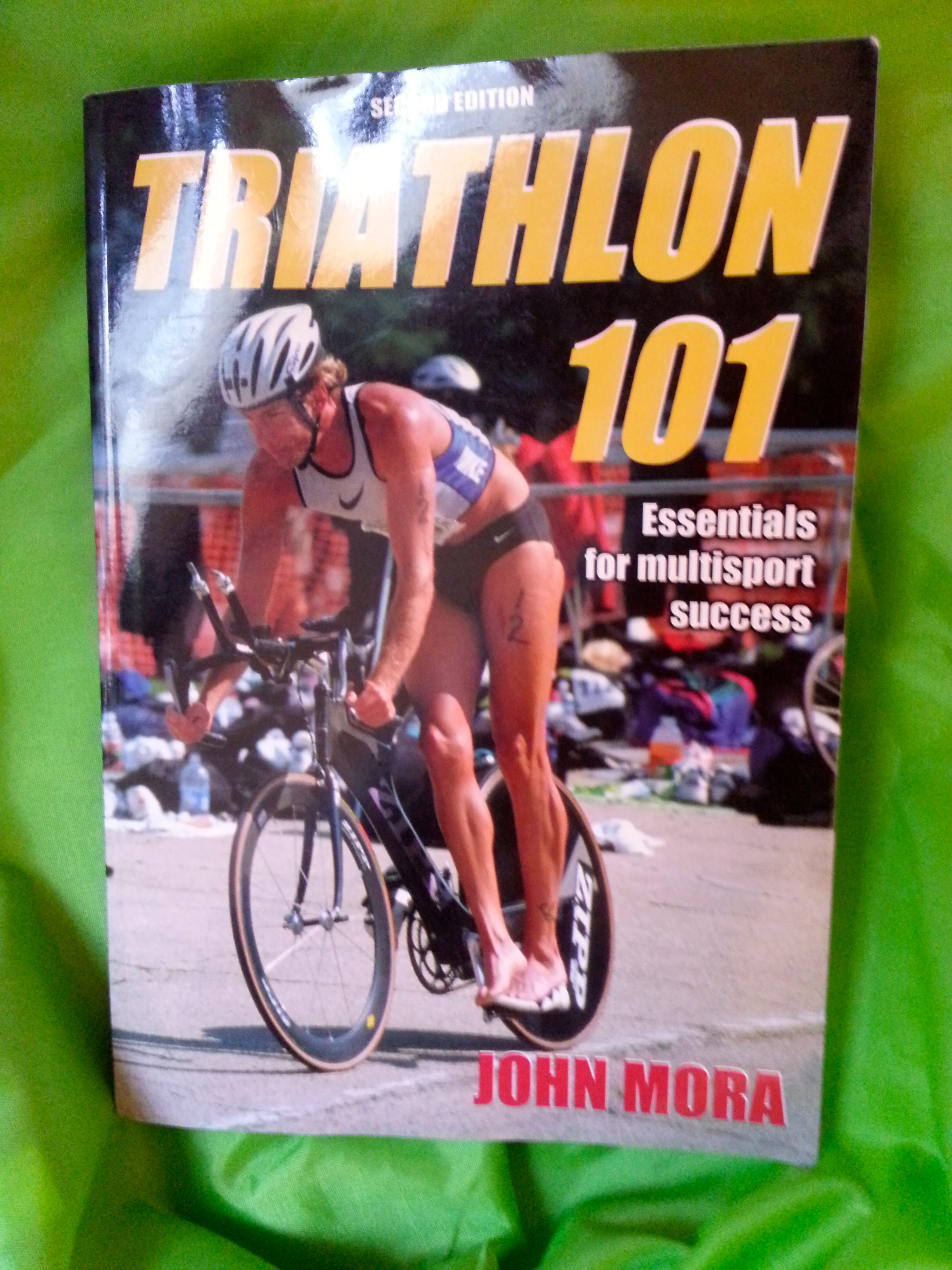
This is a great read for beginners as it breaks down just about everything you would need to know to race your first tri. It also has fairly detailed training plans for the most common tri distances, which is why I picked up the book in the first place.
I recommend this book to my girl friends who are considering buying their first bike but don’t know where to begin. The author provides a great quiz and lots of details to guide you on the big purchase. She also gives lots of useful information on cycling in general (particularly with women in mind). I enjoyed reading a women’s-specifc book because, as a petite women, I felt like there might be some logistical things (like finding the right sized bike) that a more general cycling book wouldn’t provide.
An inspirational true story of a long-hidden tribe of ultra runners and the crazy American ultra champions who decided to race them. I’ve heard this book (rightfully) called the runner’s bible. It’s informational, inspirational, motivational, and reminds runners that as focused as our sport is on the individual, we are all part of amazing community.
Another inspirational non-fiction read about ultra marathon champion Scott Jurek and his experience with running…and you guessed it, eating. Jurek is a vegan athlete whose dedication to personal as well as physical and athletic health is inspiring. So inspiring that I immediately went on a six mile run after finishing the book.
Swim Drills:
The most difficult leg of the race for me (mentally, anyway), was and still is the swim. Unlike running and cycling, swimming requires you to focus relentlessly on technique and efficiency. Not that technique doesn’t matter for the other disciplines, but you can’t just expect to put hours and hours in the pool and see speed and endurance results. Swimming takes careful focus on techniques, a large part of which is breathing. I recommend taking lessons if you aren’t a strong swimmer or joining a local swim club. Even having an experienced swimmer friend analyze your stroke is worth it!
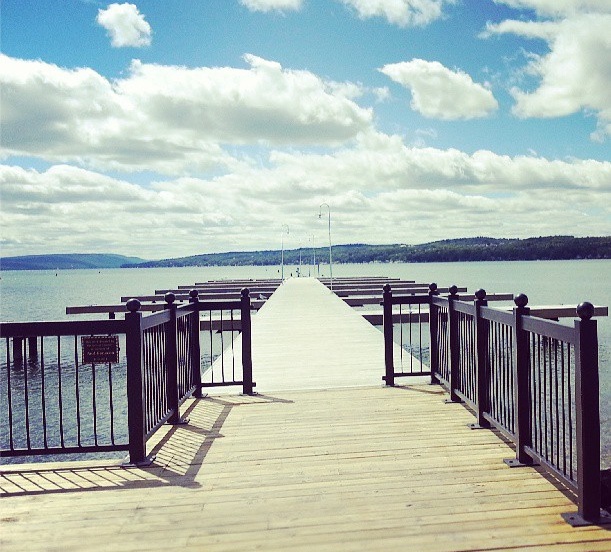
It’s a good idea to practice at least one open water swim before race day. During the course of my research, I read horror stories about the massive difference between pool and open water swimming. It freaked me out considerably, since swimming in a pool was hard enough for me. I managed to squeeze in one open water swim with my wet suit in before the race and one thing I noticed: yes, open water is different, but you can do it because let’s be real, swimming in swimming. You might battle more waves, more people, and no guiding lap line in the water, but take heart that if you stick to your swim training you’re probably going to be just fine. If you can’t manage a practice swim during your training, I suggest trying to get a quick dip in the day before your race at the starting point. It’s a massive relief on the nerves to test out the waters!
And what about wet suits? My best tip: use one if you can! Wet suits provide more buoyancy in the water, which helps in swimming (obviously). It was also a relief to me to know that if I panicked in the water (which I did by the way), I could simply turn over on my back and float. I chose a sleeveless suit for my first race because I was using a rental and wanted the security of knowing I’d have free range of movement in my arms.
For my first race, besides drowning in the swim leg, my second worst nightmare was getting a flat tire. My local bike shop offered a class on changing a flat, during which I could change the tire on my own bike. It was the best research I could do, but I also reviewed some great informative videos to keep myself up to speed.
Spring greens, extra firm organic tofu, sweet cherry tomatoes, cranberries, carrots, chia seeds, and lite ceasar dressing
…and it was amazing! On Monday I decided to commit to vegetarianism (and to slowly transition into veganism in my own time). For now, I’m cutting out all meat except fish and also cheese. As a runner, I was hesitant to consider cutting out meat because protein is fundamental to my diet, but that was before I read Eat & Run. Wow, is Scott Jurek convincing! I’ll be honest; proper treatment of animals is important to me, but it was never enough to convince me to take the leap. Jurek’s transition into veganism is simply practical. Food=fuel=great performance. (Supporting animal rights and the environment is just a plus that comes along with it!) Vegansim made the runner feel better, perform better, and win. I’d be a fool not to at least hear-out the advice of an ultramarathon champion. I run marathons. Jurek runs 150+ miles races through deserts and up mountains. On a plant based diet. Just try not to be curious!
I’m sick of getting sick, of bonking out on long runs and rides, and feeling sluggish at work, so I’m giving a vegetarian diet a try! And eating vegan when I can limits my diet is good ways. At the work cafe, if no options are vegan, I have no choice but to eat the salad I brought that day.
Obviously, I was quite stressed preparing for this race. Certainly because of the swim (before February of 2013, which is when I started my swim lessons, I could barely doggy paddle and couldn’t tread water), but also because this was my first race without my twin sister, Angie. …And also because I was preoccupied with, you know, moving halfway across the country (Madison to Pittsburgh to be exact) as well!
During the race (probably a minute after finishing the swim), I realized that my stress was all for nothing. Here I was, finishing the swim leg (my biggest enemy until this point), and running to the first transition. I was doing it, and it felt both awesome and ridiculous (have you ever gotten onto a bicycle soaking wet?)…and not so serious at all! It was actually so fun! The racers were surprisingly chill and open. Like at my first marathon, I felt like I was a part of something bigger- sharing a well-deserved moment with like-minded strangers.
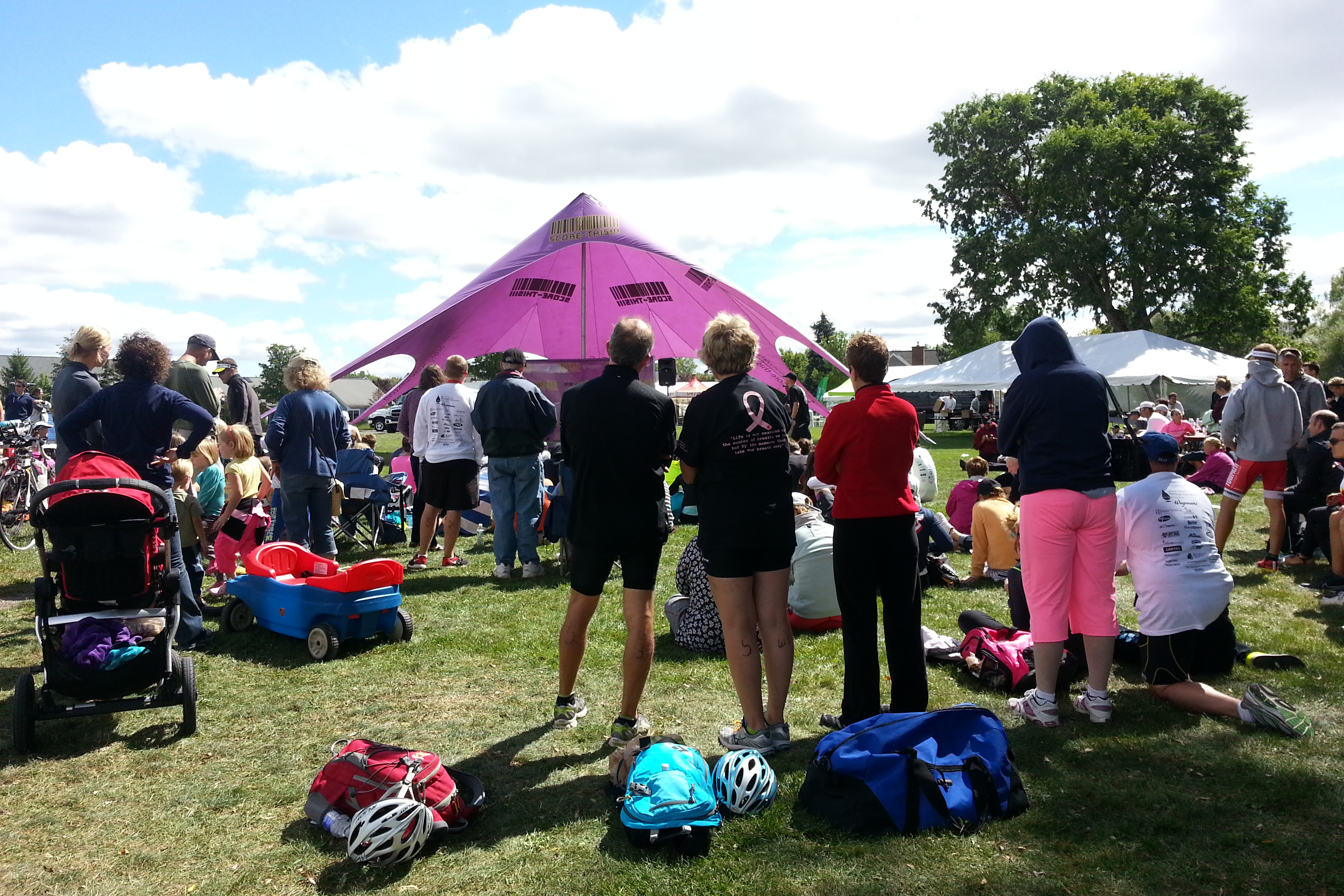
Honestly, when I first stepped up to the registration table to collect my bib and timing chip, I felt rushed, intimidated, and nervous. I thought, “I definitely don’t belong here!” Thankfully, a swim clinic hosted by Ironman athlete (she’s swum along side Lance Armstrong!), Mary Eggers the evening before the race, erased my unease. I was pleasantly surprised by the variety of questions asked by the racers…everything from swim technique questions to how to best put on a swim cap. And each question, no matter how simple or obvious, was answered by Mary with enthusiasm. I realized, nobody was judging anyone here! After all, we were all here at the starting line, weren’t we? It didn’t really matter if this was our first triathlon or our 100th because we were all racing.
When Mary led those of us in wetsuits down to the edge of the water for a quick practice swim, I was surprised to find that I couldn’t wait to get into the water! Me, a girl who couldn’t float let alone front crawl eight months ago, was actually excited to swim. I had made it to the start line. It wasn’t quick and it wasn’t easy, but for sure, it is where I belong.
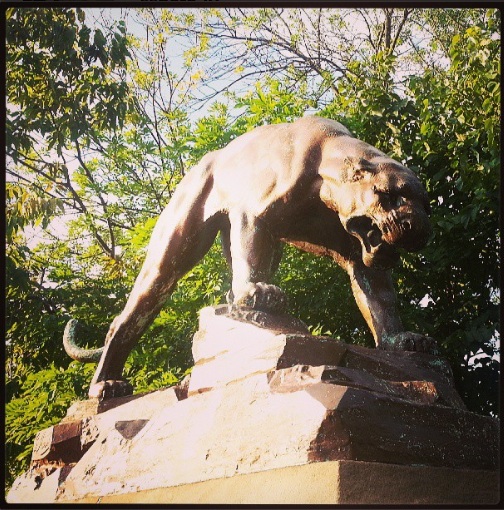
For my run this weekend I traded the the concrete trails of the Southside for the dirt trails at Schenley Park. The view was amazing (I’m still amazed that a city can be this green!), and for someone from the Midwest, the hills were challenging. I manage to get a bit lost, so my run was about a mile longer than I anticipated. Still, it gave me more opportunity to snap some great photos.
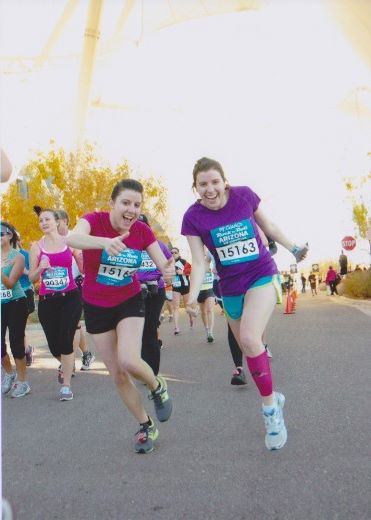
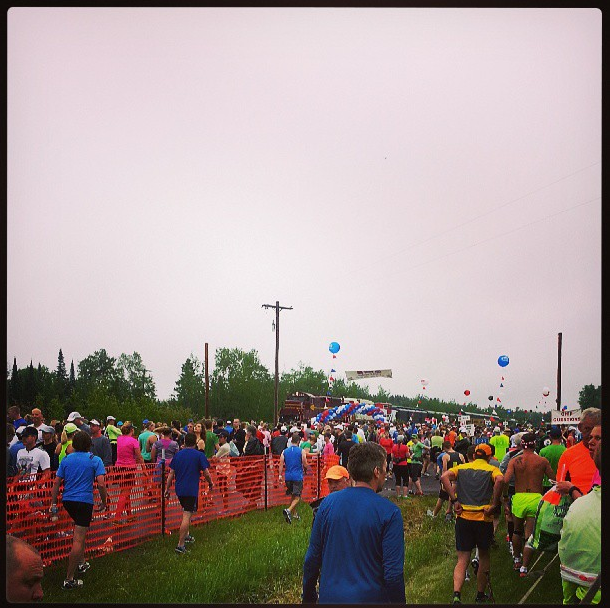
A couple weeks ago, I ran my first full marathon in Duluth, Minnesota. It was the 37th annual Grandma’s Marathon, and although a soggy, cold day was an absolutely amazing experience. Here are some of the highlights from the race:
-Running in 50 degree weather, in the rain, with a risk of hypothermia, and still thinking (thanks to all the training I’ve done in a Wisconsin winter), “This weather is perfect!”
-Sprinting the last 200 meters and the crowd going wild when they saw me pulling ahead and across the finish line. That’s a feeling you can’t get anywhere else.
-Running past a man who had run all 37 Grandma’s marathons! When asked how many more he’d run, he said, “At least three!”. That’s inspiring dedication!
-High fiving with strangers. I needed those high fives. My most memorable one was with a solider in uniform at the last half mile stretch. His words of inspiration weren’t original, just, “You can do this,” but that felt like it lifted a weight from my shoulders.
-It’s true; marathon runners will be pee anywhere when they gotta go…mostly off in the woods on the edge of a stranger’s driveway…
-The amount of food and water the spectators were handing out was impressive and much appreciated! The girl who handed me a banana at mile 18 had probably never heard someone give so earnest a thank you over a piece of fruit.
-The spectators and volunteers at this race were absolutely amazing! If it weren’t for them, I might have given into the temptation to slow down and walk at mile 17, might not have been able to hold a ten minute pace for the whole race (wow!), and probably would have collapsed to the ground after I crossed the finish line (the med team was amazing, and I owe them a big thanks for their care!).
The greatest satisfaction was working so hard and so diligently, and then seeing my dream become reality.
What’s next? A triathlon, of course!
Runners, please share you experiences training and/or finishing a big race!
Sarah
p.s. Doesn’t matter how slow or fast you are for a marathon, or any race; as long as you run, you’ve already beaten everyone who never even started!
















 gibbsongirl.com