




Some Good Ol’ Wisco Inspiration

Recently I discovered a local Vietnamese market (not as large or as wide in variety as those I am used to in Chicago, but still a lucky thing to find!) and seized the opportunity to purchase frozen dumplings. Using the ingredients in my fridge and pantry, I created this easy curry recipe. Enjoy!
For some other quick and easy recipes, check out this tuna melt sandwich and chicken parmesan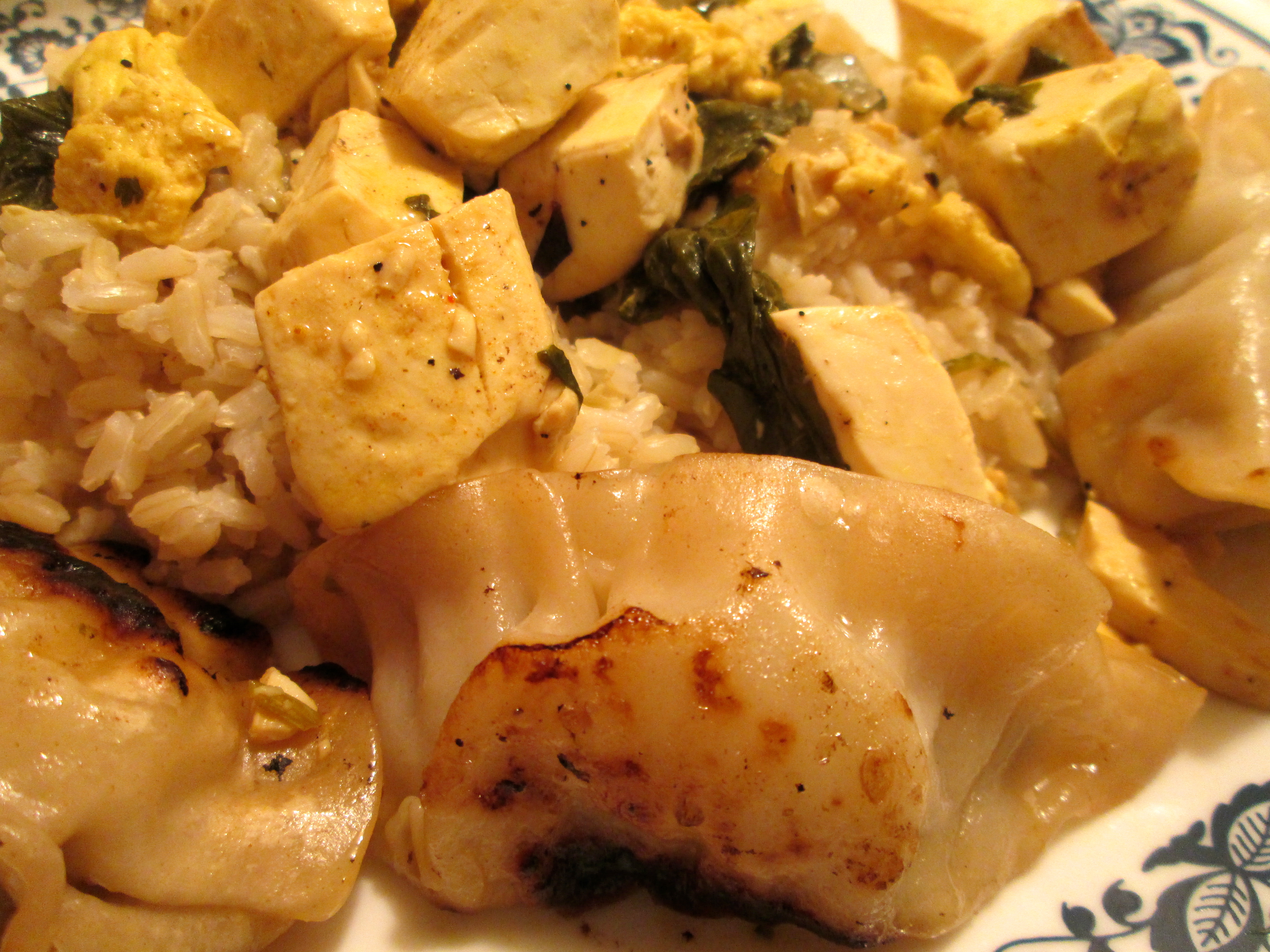
 .
.
What you need:
1-2 cups brown rice
1 box tofu
Handful of spinach leaves
Cumin powder
Curry powder
Salt and Pepper to taste
Soy sauce
1-2 eggs
1/2 a large onion
Half a large bag of frozen dumplings
Half a lemon
1/2 cup milk or half and half, coconut milk can be used as substitute
Olive oil or vegetable oil
Prep (5 minutes to prepare, 20 minutes to cook):
*This recipe serves two.
First, prepare the rice according to the package (this will take the longest to cook and should be started first, as a result. For an even quicker dinner, use instant rice).
Secondly, put oil at the bottom of a wide non-stick sauce pan. Cook up the dumplings until they begin to brown. Set the dumplings aside and covered for later. Then, fry or scramble the eggs in the same pan. Leave in eggs and add a bit more oil as well as the onion and spinach. Gently cut the tofu into chunks and place in the pan. Add spices to taste. Squeeze in lemon juice. Add milk or half and half. For a more creamier sauce, add more liquid. Let simmer for a few minutes until tofu is cooked. Carefully (in order to preserve the shape of the tofu) stir occasionally. Add dumplings, lower heat, and cover with lid for a minute. On two plates, add rice and top with the delicious curry tofu.


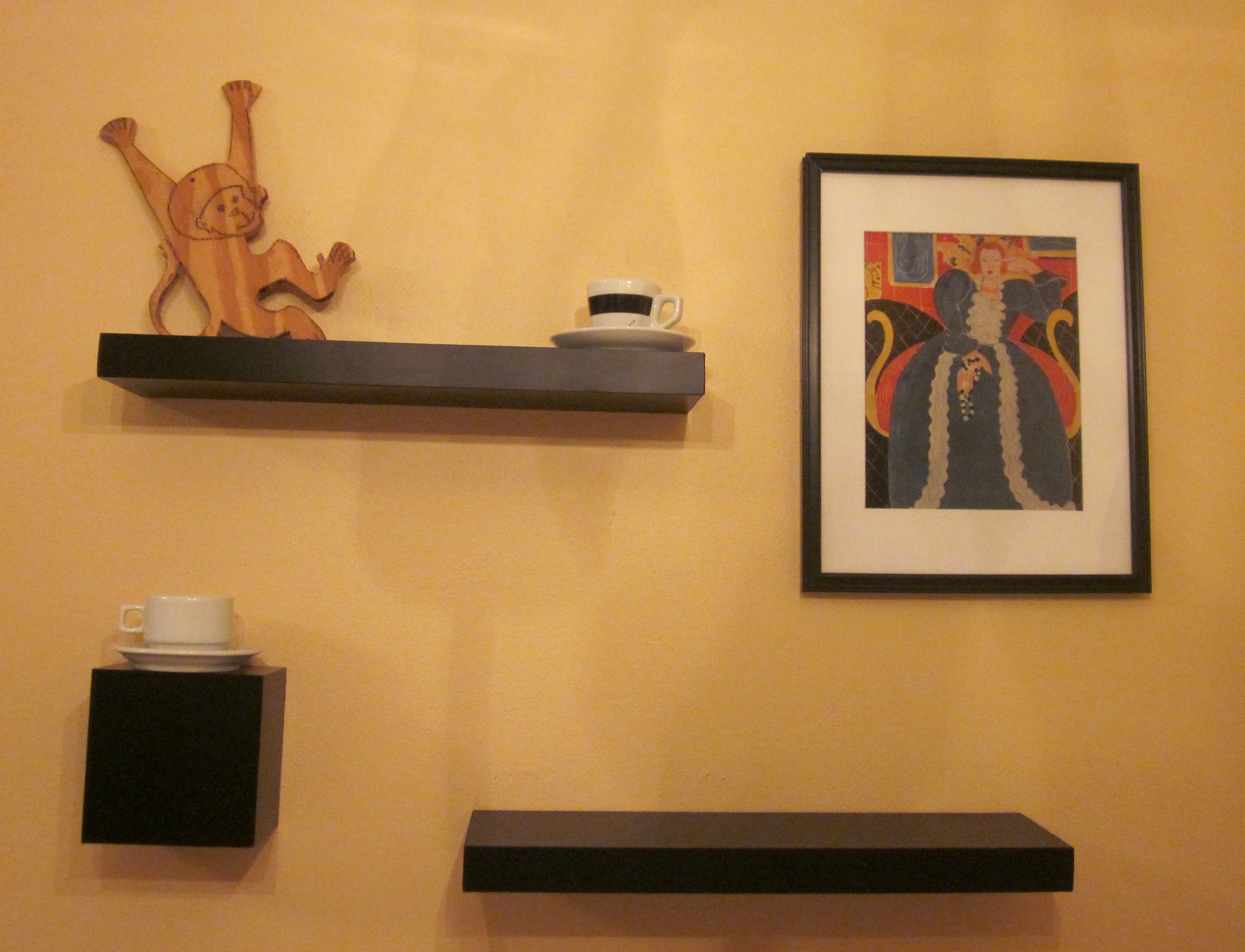
My sister studied in Austria, and as she travelled Europe, she collected espresso cups. Though they weren’t the easiest things to take back to the States (miraculously she only broke one), they do make great decoration pieces in our apartment. Here are a few of my favorites.
Ciao!
Sarah
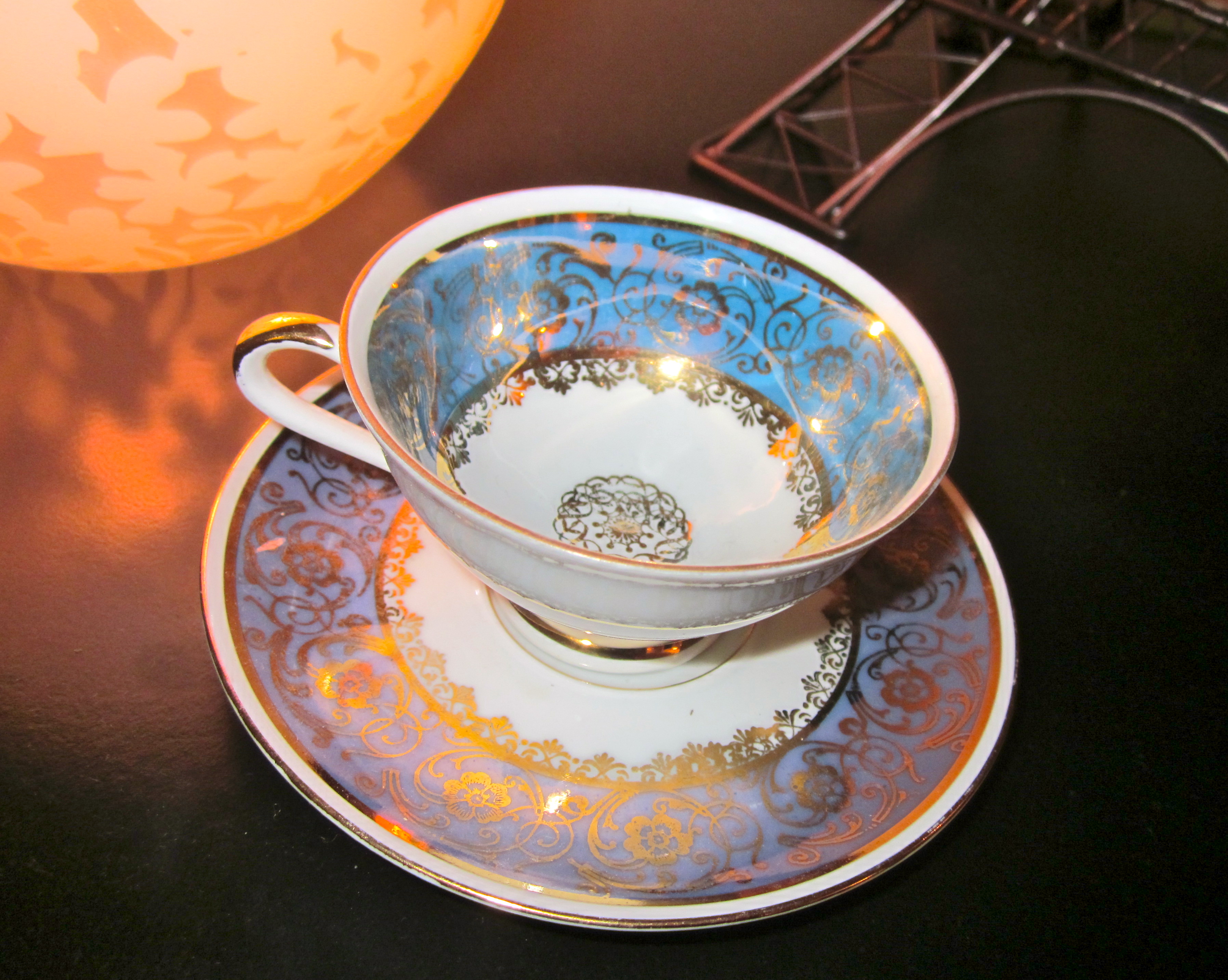
Salzburg, Austria

London, England

Florence, Italy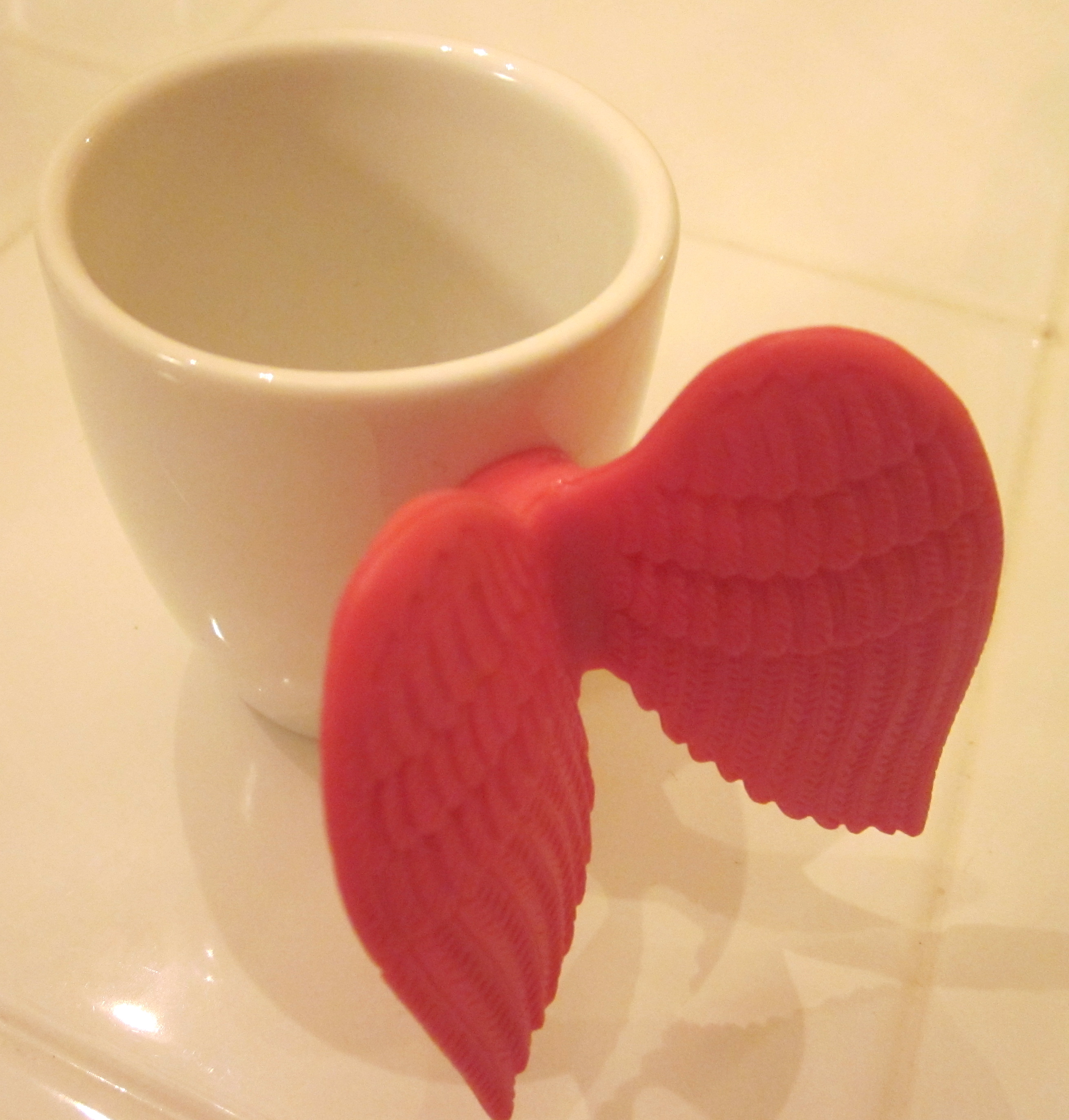
Munich, Germany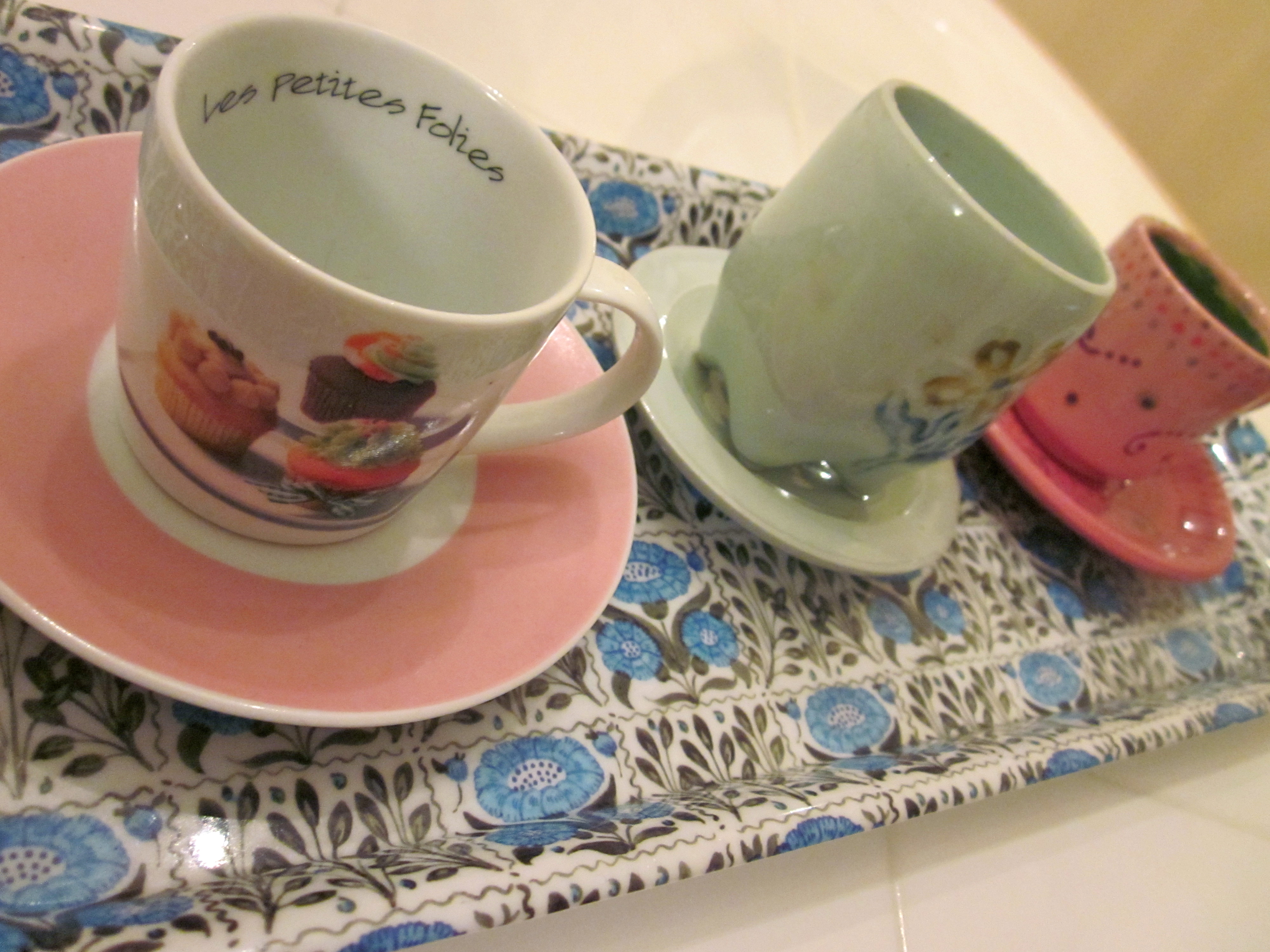 Nice, France; Lake Forest, Illinois; Portsmouth, New Hampshire

Florence, Italy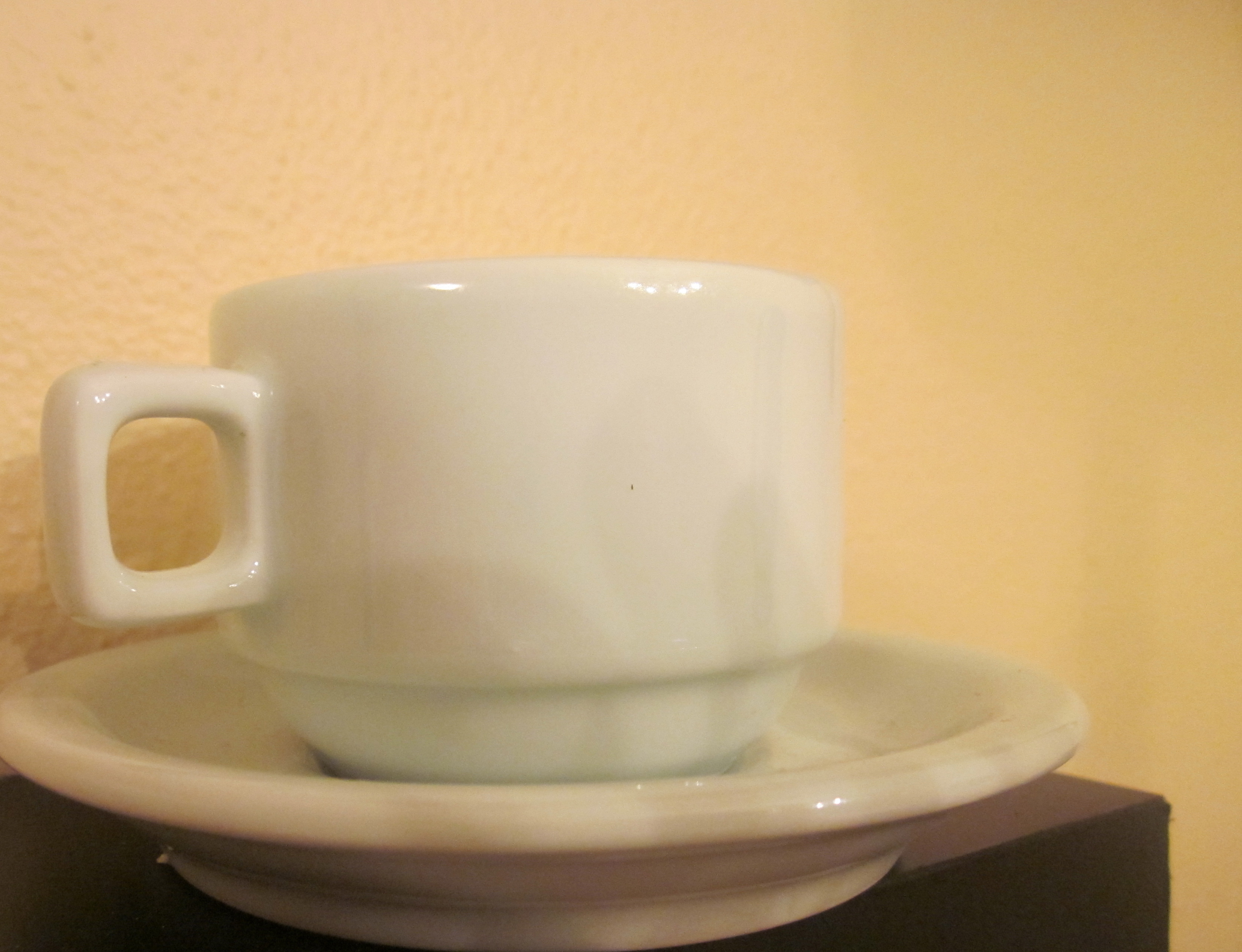

My aunt and uncle were kind enough to provide a whole bunch of used furniture for my new apartment. Most of it fit well into the place, but this piece below was a little trickier. We didn’t have enough space in the living room and certainly not in our tiny kitchen. As a result, it ended up as shelving in the garage. I also happened to be missing a dresser and considered thrifting around for one until I realized that this piece could be the perfect dresser. I painted it a mauve-lavendar and bought cloth containers to act as drawers. The result is a versatile “open” dresser that matches my intended room decor and cost me far less than anything else I was considering to buy.
Before

After

Total cost of this project?
Shelving unit: Free
Paint: $12
Total Cost: $12
Ciao!
Sarah
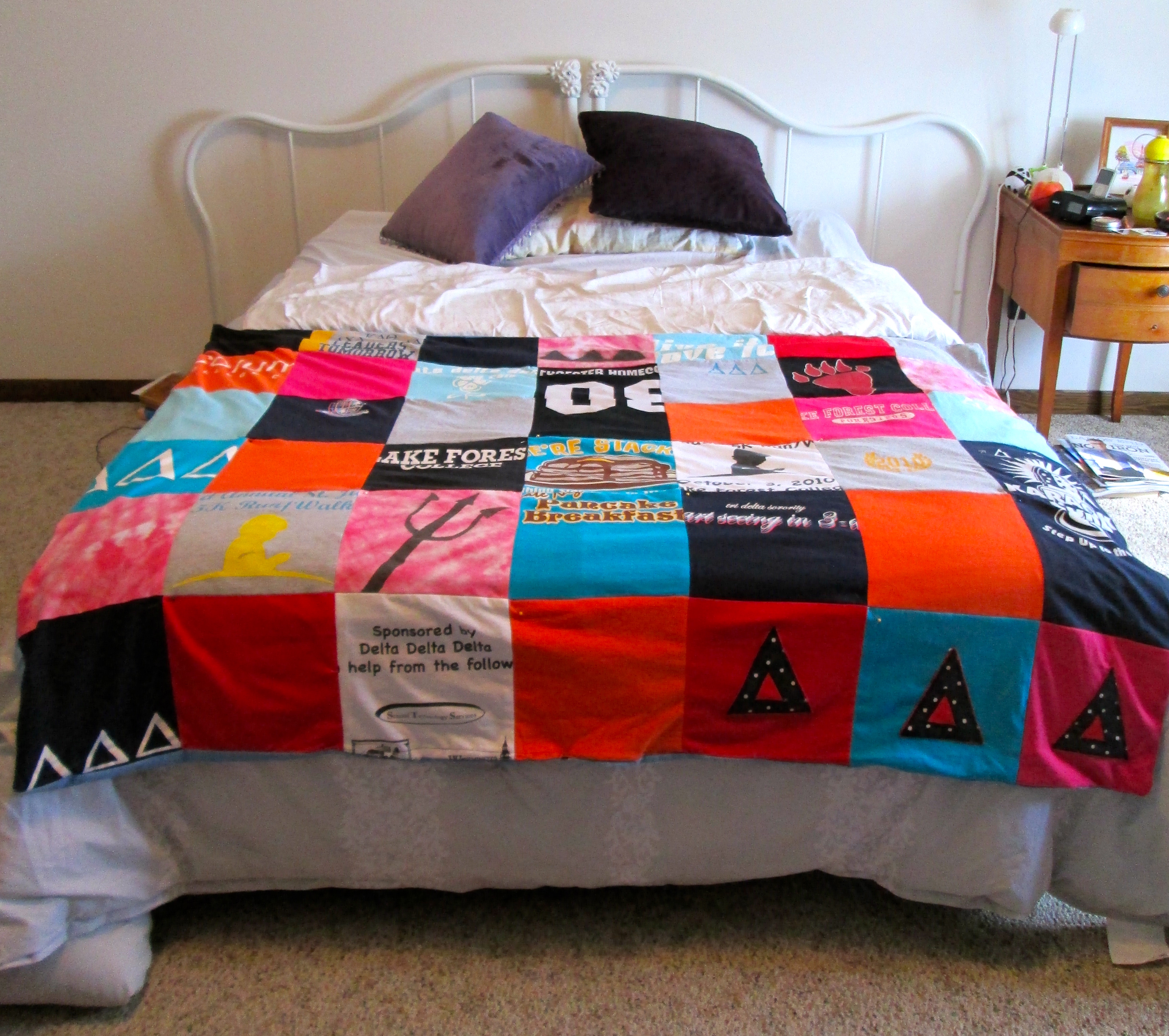
After graduating college, I was left with more college and sorority t-shirts that I could ever want to wear. I didn’t want to throw them out, however. Afterall, they reminded me of some great memories that I hoped never to forget. But I didn’t really want to drag my twenty-some t-shirts to my new apartment, so instead, I chose to create a quilt from the old shirts. As a novice sewer, it took me longer than excepted to finish, but the work was worth it! Now I have a comfy blanket that holds so many memories from my college days, livens up my new apartment, and is much more useful than a stack of worn out shirts. Below are steps to creating your own t-shirt blanket.

What you need:
18+ T-shirts
Sewing Machine
Thread
Cardboard (cut into 9″ by 9″ square)
Rotary cutter
Cutting mat
Straight edge
Scissors (one pair for fabric, one pair for the cardboard)
Pins
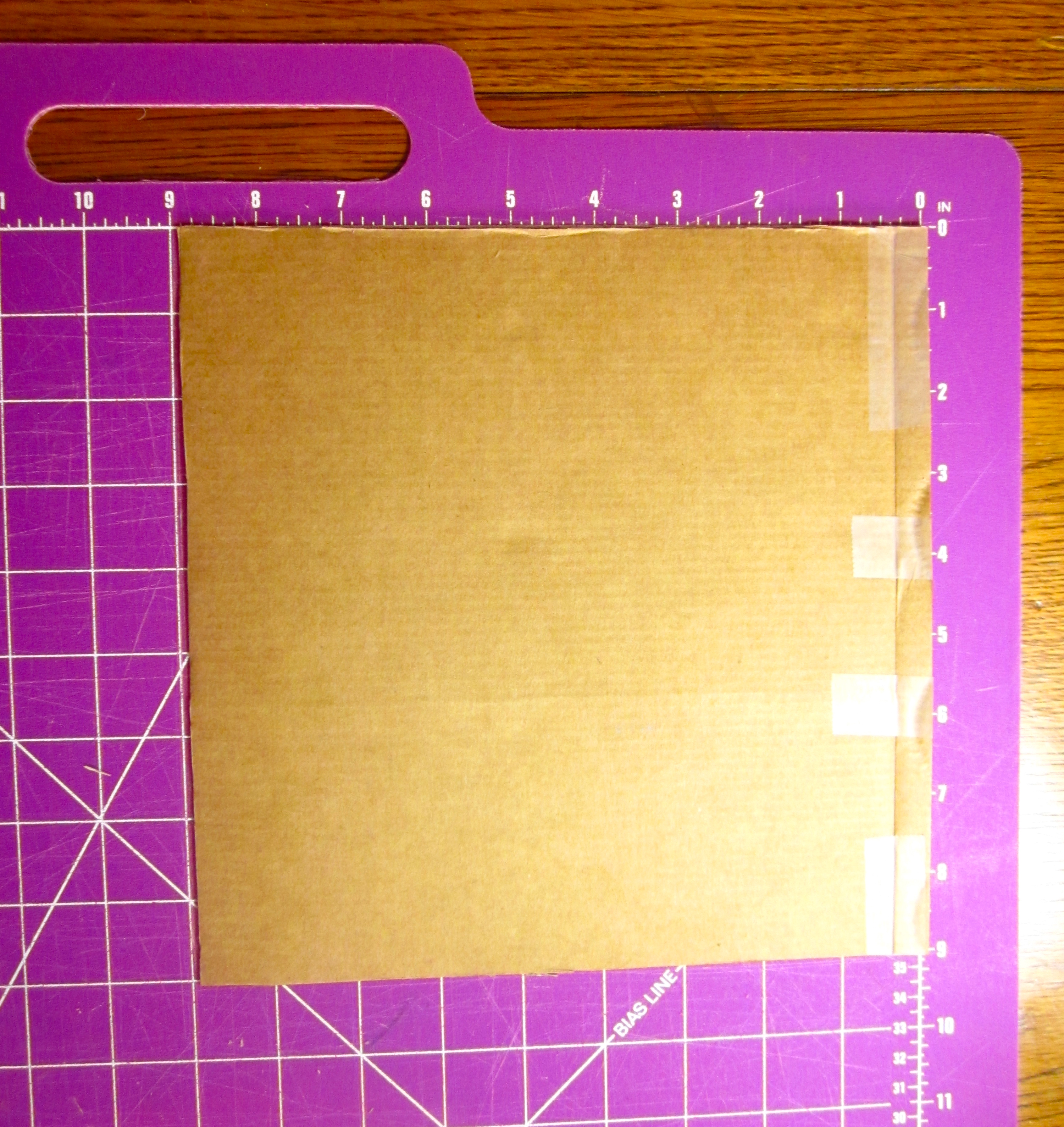
Cut the cardboard into a 9 inch by 9 inch square. This will serve as your template for the fabric squares.
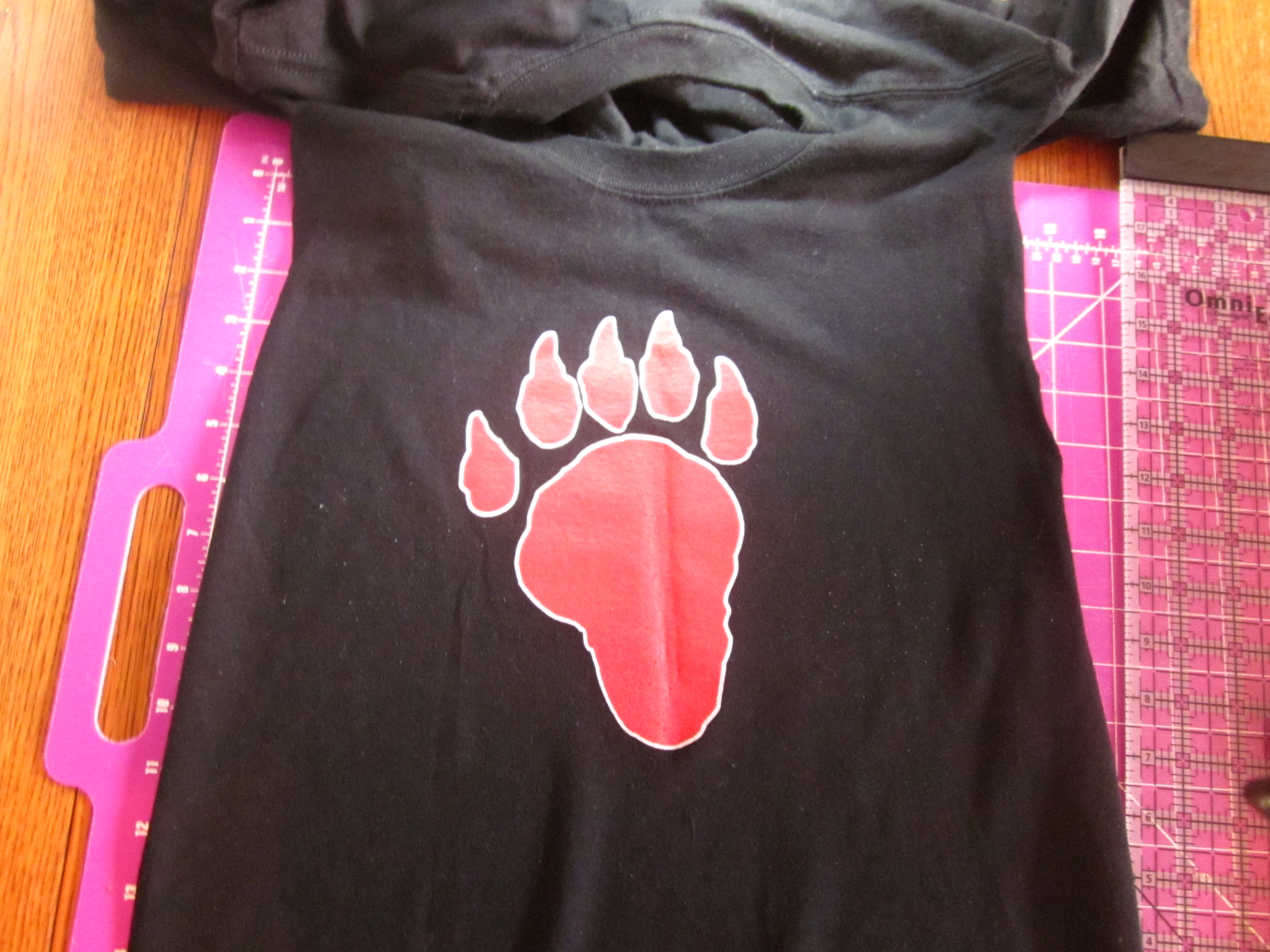
Cut down the sides of your t-shirt and lay flat on the cutting board.

Place cardboard square over t-shirt and carefully use rotary cutter to cut fabric. Use the straight edge to guide your cutting.

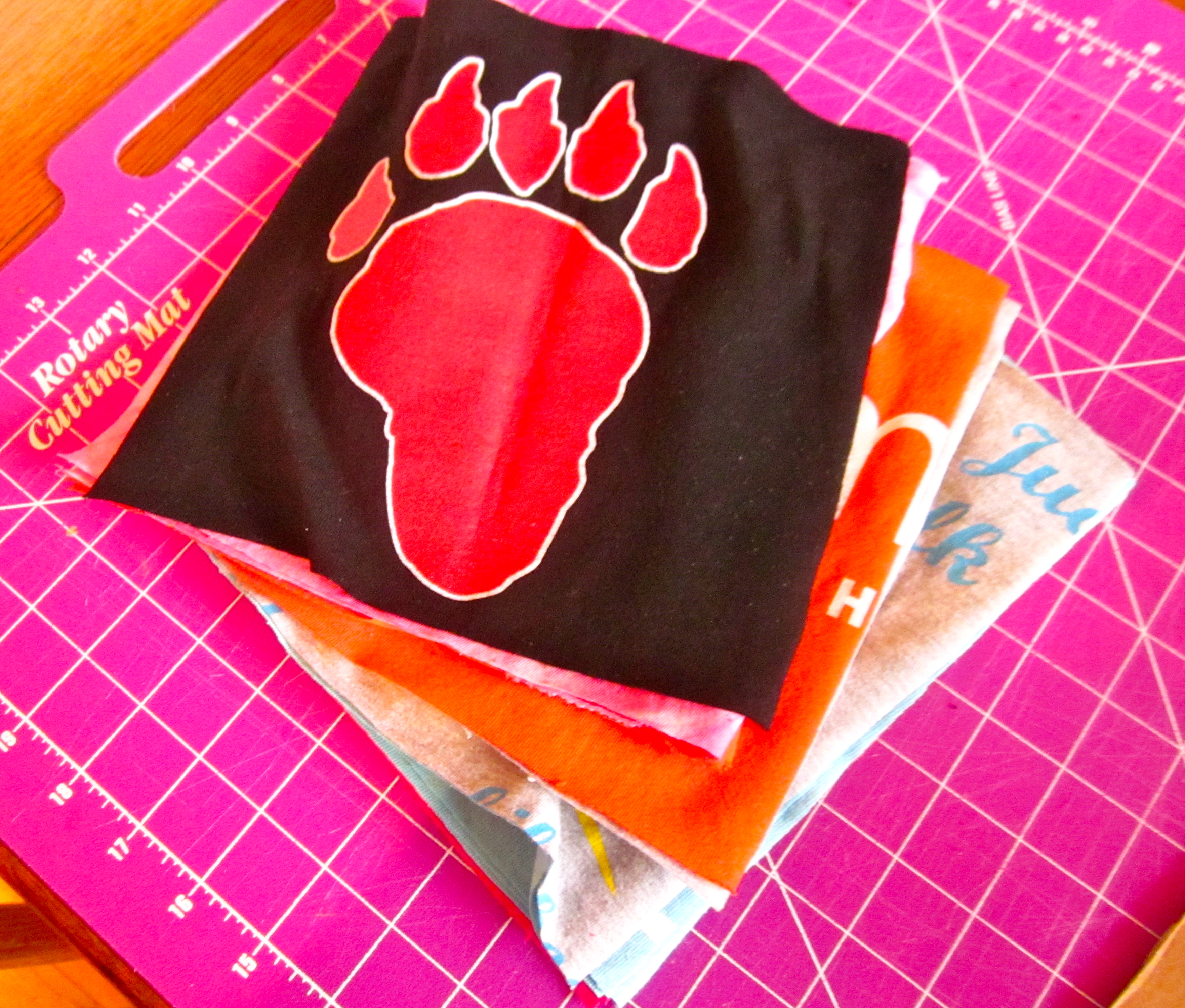
Continue for all your t-shirts. I first cut out the graphic on the shirt and then cut as many squares of the solid color from the t-shirts as I could. I wanted as many squares to work with so that I could put together the most desired combination.
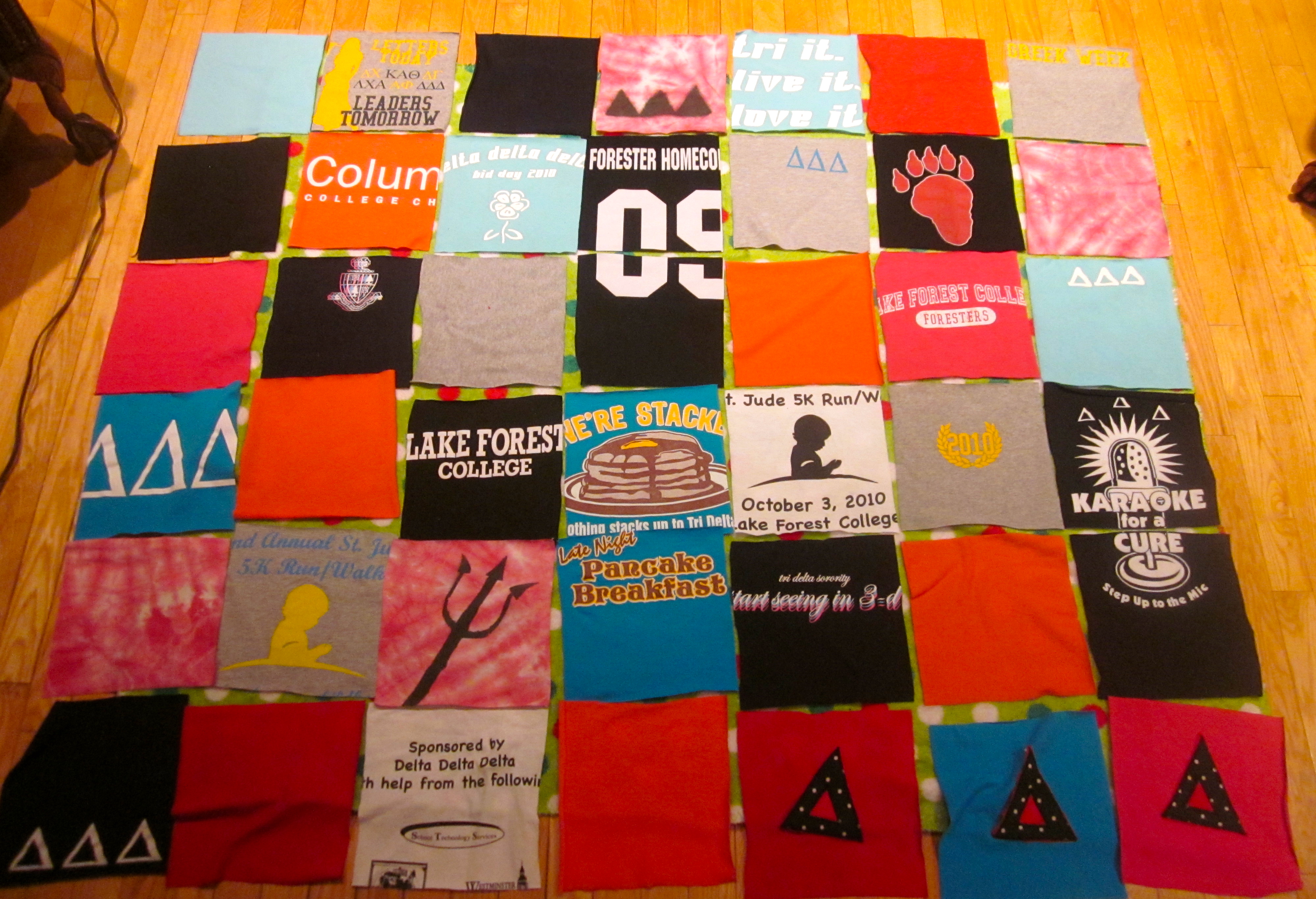
I then laid out the squares on the floor in order to get clear picture of what my blanket would look like. I chose to use 36 squares total (6 squares by 6 squares). However, I recommend laying out your quilt 6 squares across and five squares high. With 36 squares, I had trouble finding fabric that was wide enough to be a backing piece. I ended up having to cut off half of the top row of squares in order to back my quilt with two panels of solid fabric.

Next, pin one row of squares together to begin sewing. Once you have sewn all your row, you can sew your columns. Make sure that you line up your seams as perfectly as possible, so that your squares are even and tight.
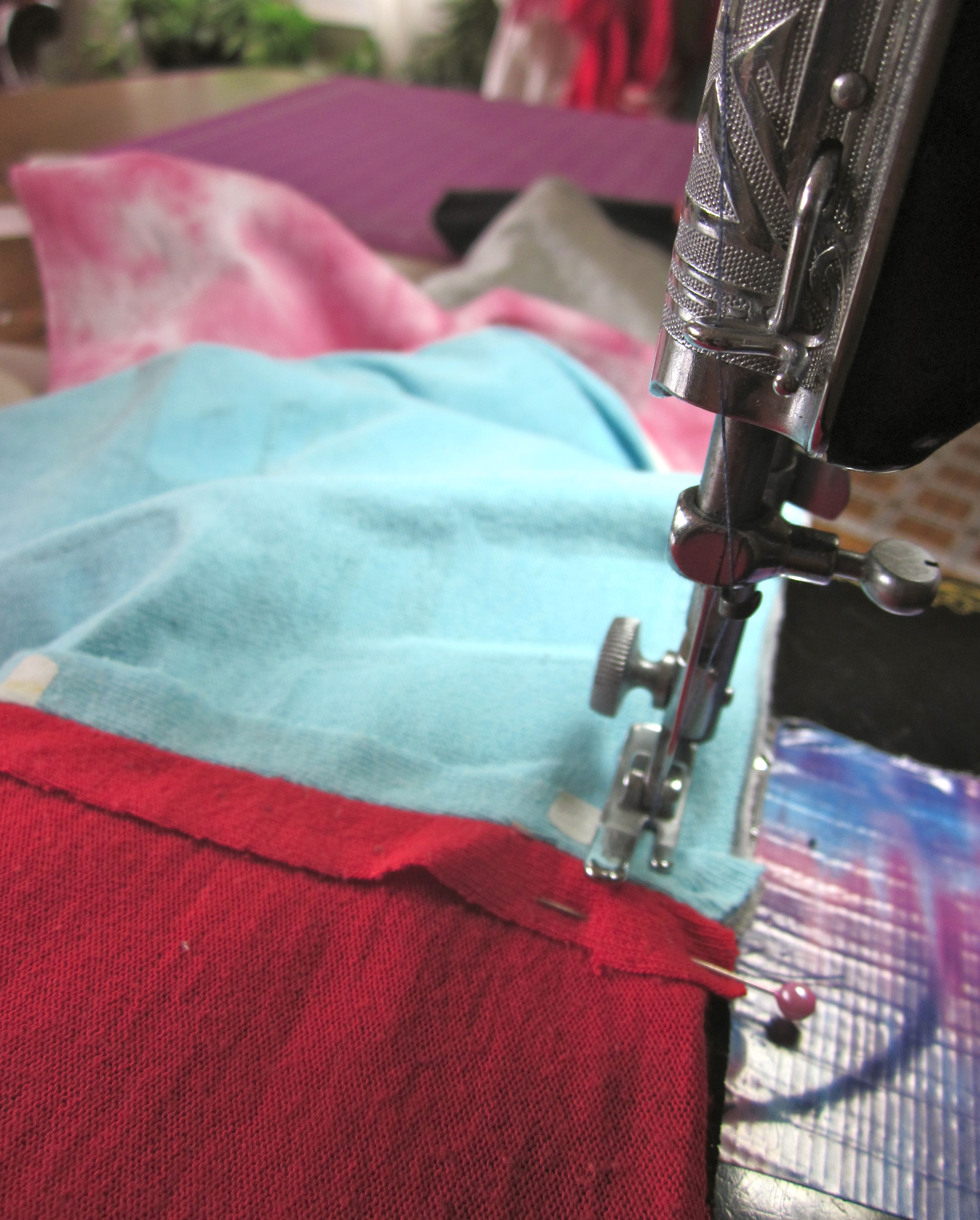 I then sewed on my back panel fabric. I found inexpensive fabric at Savers, so I had to cut it into two panels in order to fit my quilt properly. I recommend using a cotton or cotton blend for the backing. I considered fleece, which is a good option if you want a very warm blanket, but I opted out because I want my blanket to function as more of an everyday throw.
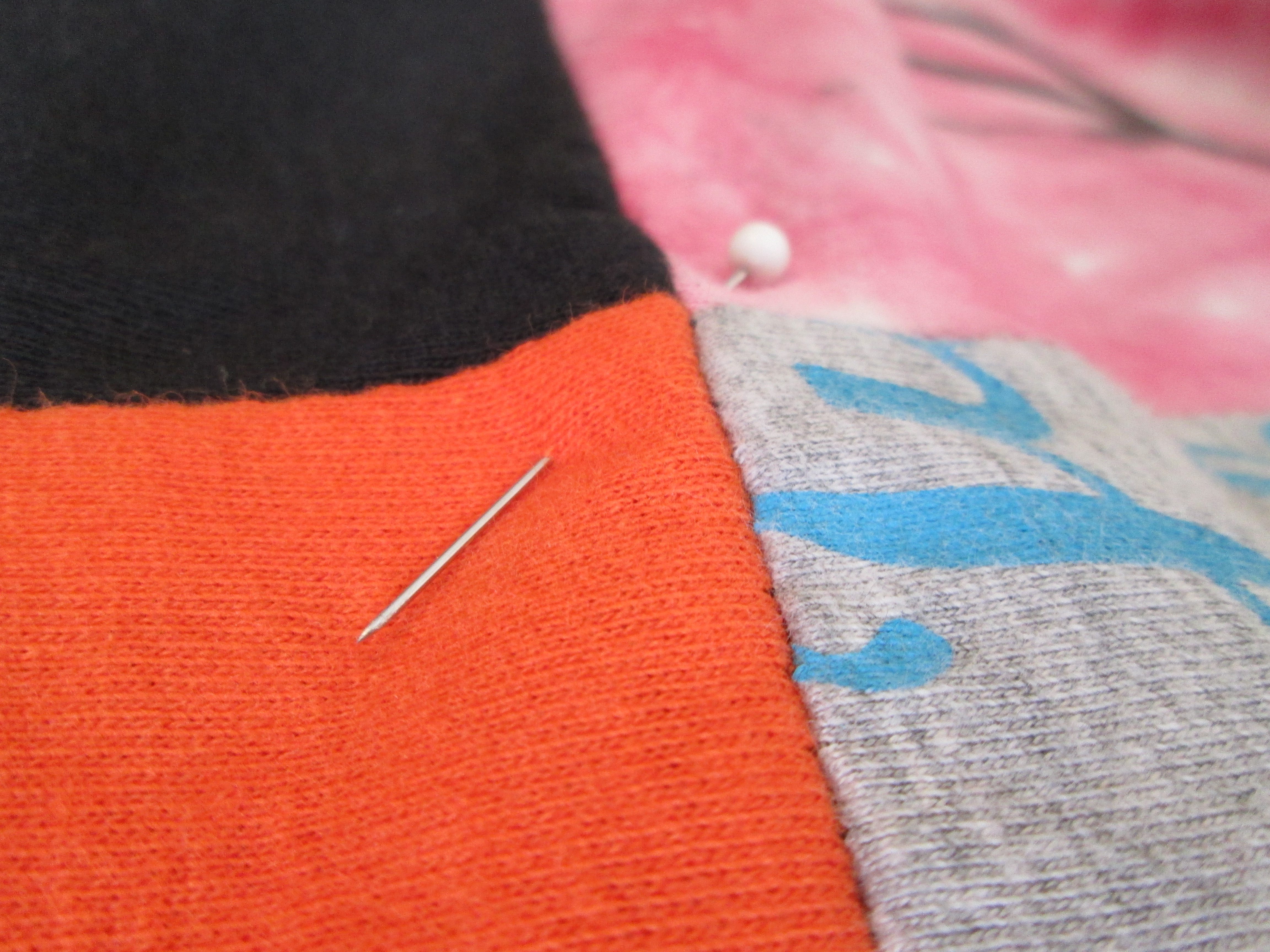 Finally, I pinned every other corner then sewed a few stitches. Doing this will keep the squares from shifting in the wash.
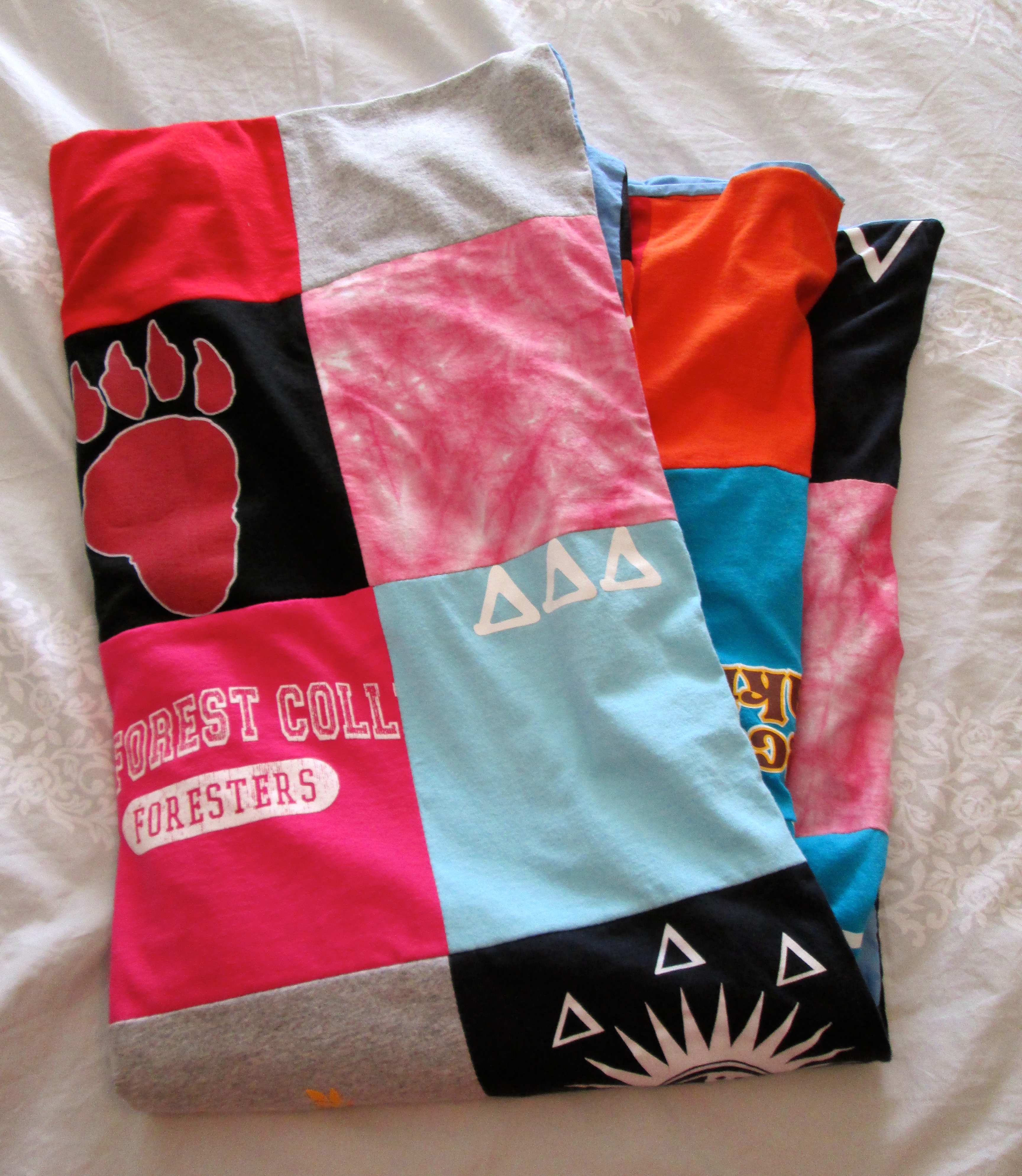
Voila! Your t-shirt quilt is done and ready to serve as a memorable and functional piece for many years. Beats keeping a stack of old shirts around!
Some final recommendations:
If your machine has zig-zag stitch, use this as the t-shirts are knits and will tend to stretch. I used a very old Singer that did not have zig-zag, so I may be faced with some shifting in the future.
Any extra squares would make great, soft pillows.
Good luck!
Sarah

As well as moving into my first place, I’ve also started my first job, and already I’m finding that cooking anything besides a frozen pizza is difficult. So I’ve decided to try out some easy, quick recipes and post the best ones here. I’m focusing on dishes that takes less than ten minutes to prepare and use food that I normally have around. My first dish was an easy chicken parmesan.
What you need:
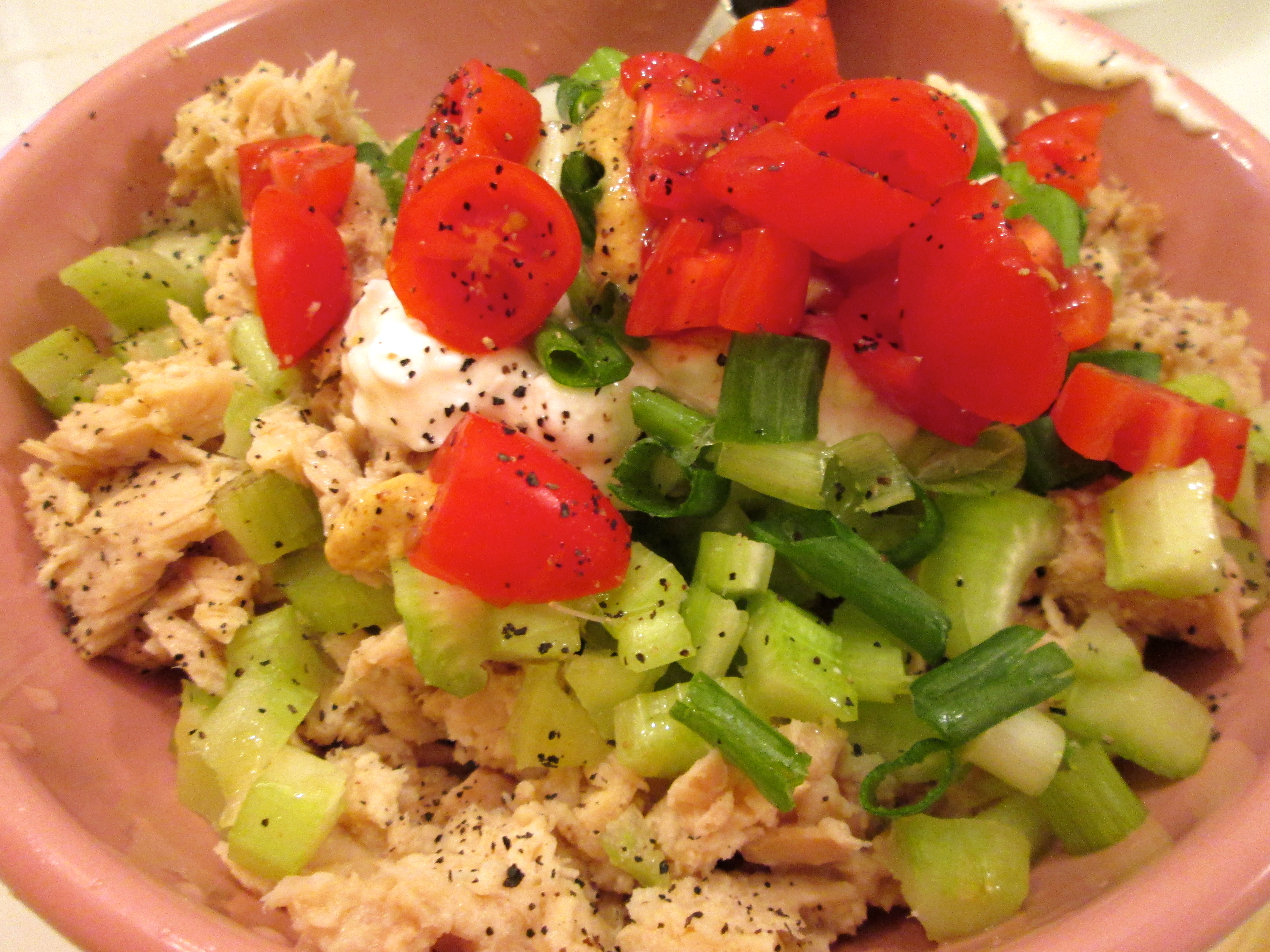
Two cans of tuna
One large spoonful of cottage cheese
Lemon juice from half a lemon
One large spoonful of mayo
One teaspoon of Dijon mustard
One stalk of celery, chopped
5-6 cherry tomatoes, chopped
Green onions, chopped
Salt and pepper to taste
Four slices of rye bread
2 thins slices of dill havarti
Prep (5 minutes to prepare, 3 minutes to cook):
Mix the above ingredients together then spread onto the rye bread and top with the havarti. I grilled mine panini-style in my George Foreman, but you could also broil them open-faced in your oven.
It’s a super easy and delicious spin on a traditional tuna melt!
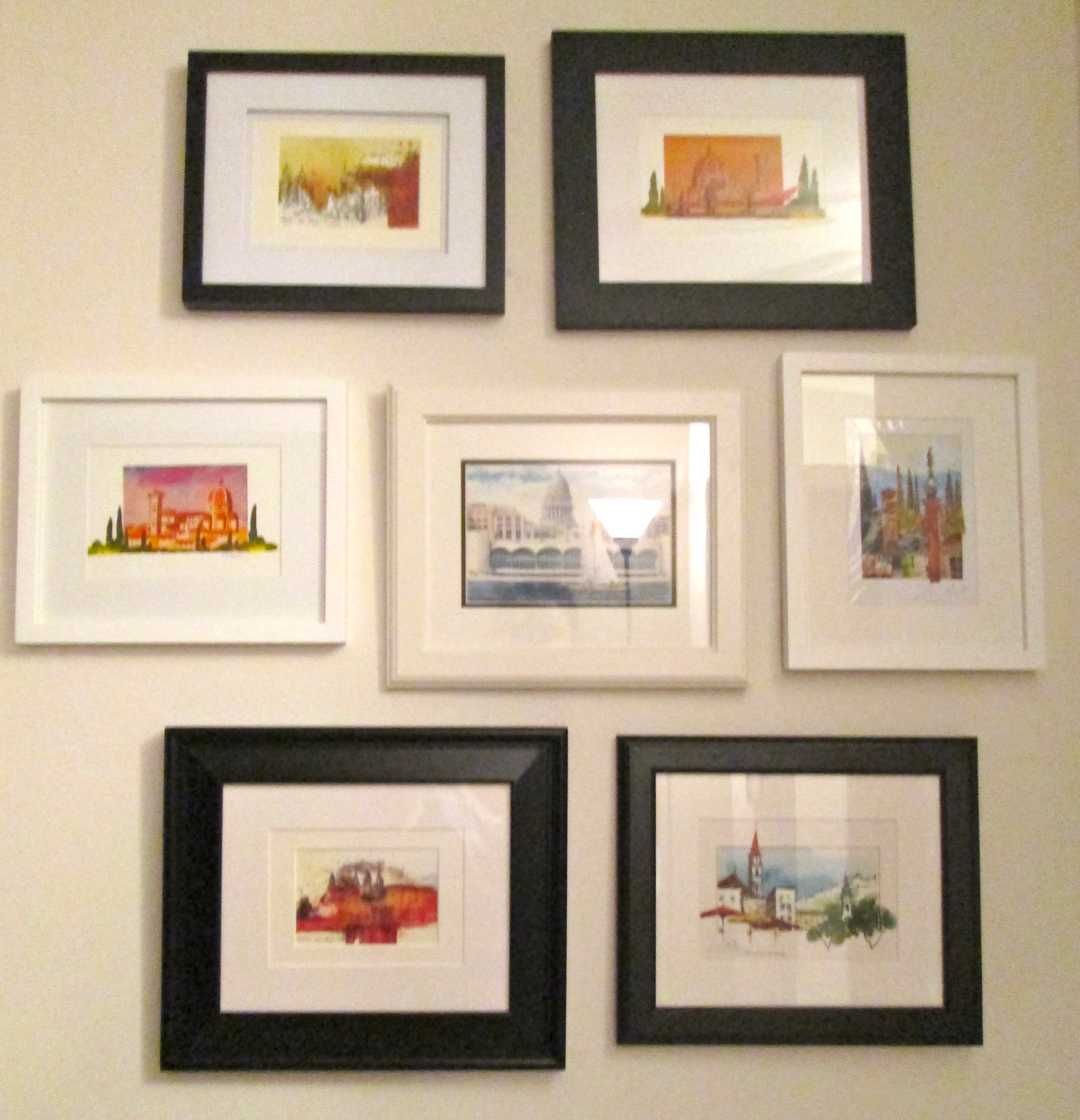
You would be suprised how much something is elevated by framing it. A mat and a simple frame can make a piece of art (or something else entirely) into a beautiful and affordable way to decorate a space. There are three main objects that make beautiful wall decor when framed:

1. Artwork. I am artist so this one is pretty easy for me. For one project, I found a matted poster frame at Ikea and framed a conte crayon drawing I drew in Florence. Matting it really transformed and elevated the work. I also collect artwork from street and art fairs around the world. When I travelled to Europe, I bought a painting (usually quite cheap from a local artist on the street) in every city I stayed in for more than three days. I did the same upon returning to the States but chose to purchase prints instead of originals as originals tend to be more expensive here. It was a fun way to collect memories and also a fun way to decorate my home.
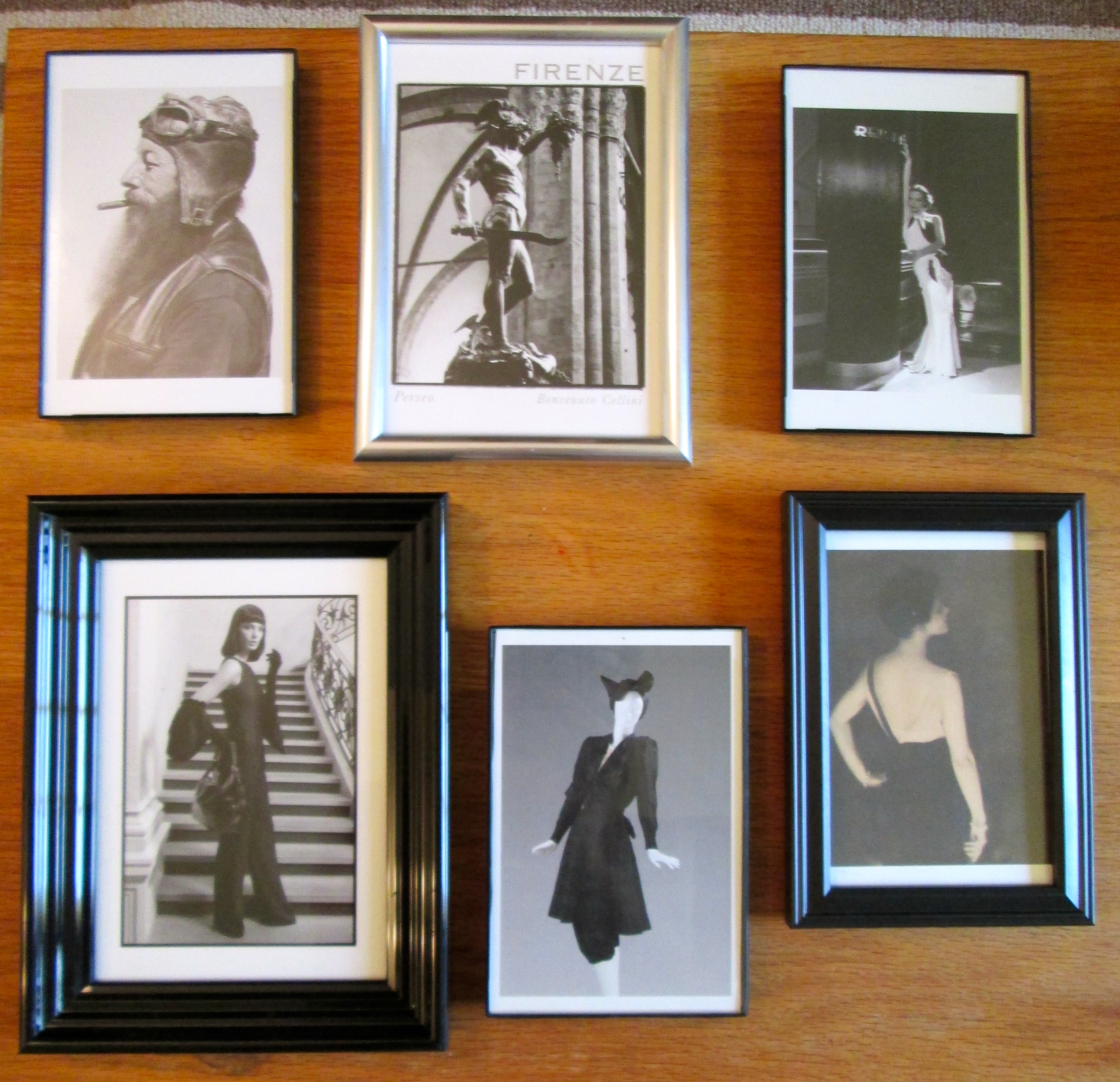

2. Postcards. I also collected postcards from Europe, particularly postcards of my favorite artwork from galleries and museums. The postcards were usually less than a dollar and I found cheap matted and unmatted frames at GoodWill to frame them with. Framing the postcards, especially the art postcards, was an easy and affordable way to introduce some beautiful art to my space.

3. Sheet music books. My mom found a few old sheet music books from a garage sale, and they manged to fall into my hands and end up in my apartment. They were so easy to frame because they came in a standard frame size. I chose to use a matted frame because the edges of the sheets were worn slightly. The mat hid the wear and made the sheet (and the stunning art on it) really stand out. The results were fun, retro art pieces that added interest and needed ivory coloring to my living room.
What is your favorite decorating idea?
Ciao!
Sarah

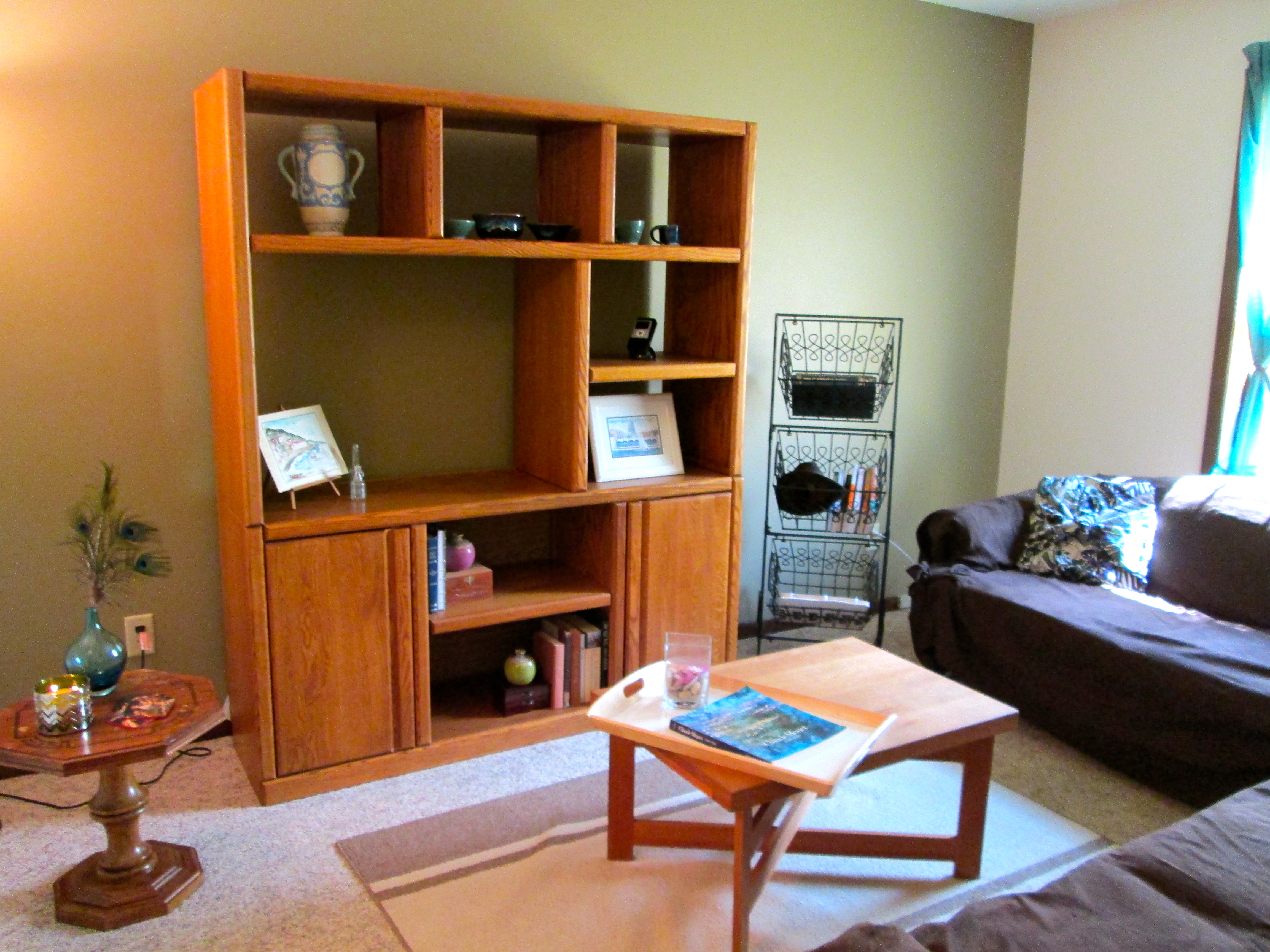
One Month Ago
I’ve been putting most of my decorating efforts into my living room. I spend much of my time there or in the kitchen, and (given my lack of dining room) I plan on using the space for most of my entertaining. As a result, after only a month and a half, my living room has already gone through a transformation.
I framed a whole lot of art, bought new curtains, add splashes of much needed ivories through cushions and flowers, and finally bought light bulbs for my lamps (you’d be surprised how much that changes the atmosphere of a place!).

Today
My future plans include painting my coffee table neon green (seriously, trust me on this), creating some more art for the space, and adding more bright colors through painted jars (DIY project courtesy of Pinterest, of course).
Any suggestions on the space?
Ciao!
Sarah
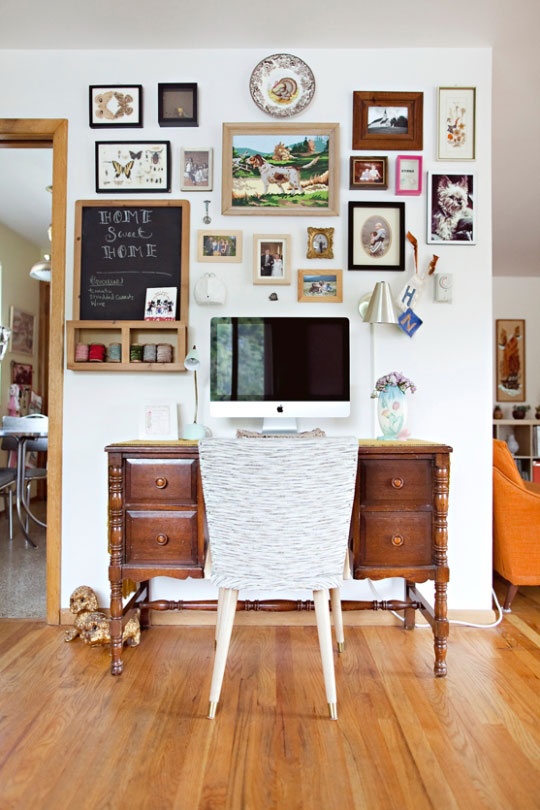



 gibbsongirl.com